You have decided to see the Great Migration. Good. Now you need the practical details. This Kenya safari trip guide Korean speakers can trust covers flights, visas, costs, parks, and what to expect on a game drive. No hype. Just the facts that matter.
The Real Distance: Flights from Incheon to Nairobi
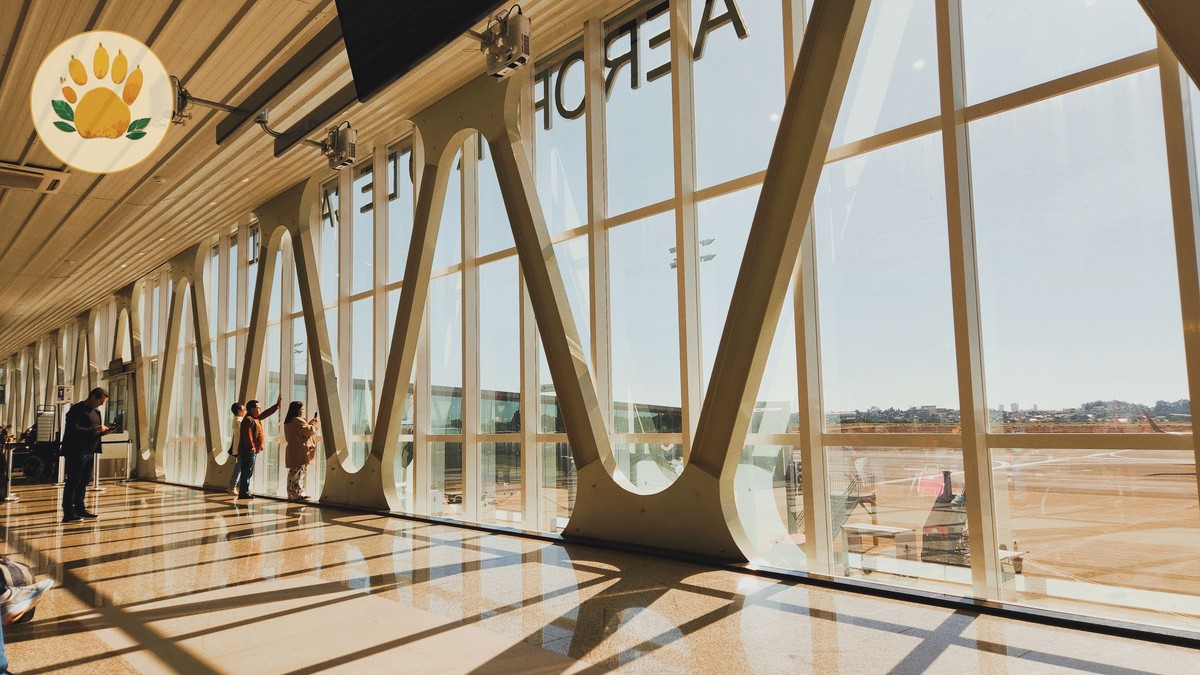
There is no direct flight from Seoul to Nairobi. You will connect somewhere. Most routes stop in Dubai, Doha, Istanbul, or Addis Ababa. Total travel time is usually 18 to 22 hours, plus layover. This is a real trade-off. You lose one full day to travel each way.
Emirates flies Incheon to Dubai, then Dubai to Nairobi. Qatar Airways uses Doha. Ethiopian Airlines uses Addis Ababa. The Addis route often has the shortest layover, around 2 hours. Turkish Airlines via Istanbul is another option.
Book your flight to arrive in Nairobi before 2 PM. You will need time to drive to your first camp. The drive from Jomo Kenyatta International Airport to Masai Mara is 270 kilometers. It takes 5 to 6 hours by road. Many operators offer a scheduled flight from Wilson Airport to Mara airstrips. That flight takes 45 minutes. The cost is roughly USD 200 one way. Factor this into your budget.
Visa and eTA for Korean Citizens
Korean citizens no longer need a visa sticker. Kenya moved to an electronic Travel Authorization, or eTA. You must apply online before you fly. The official government site is the only place to apply. The cost is USD 34. As of August 2026, that is about KRW 46,000.
Apply at least 10 days before departure. The system sometimes takes a week to respond. You will need a passport valid for 6 months, a passport photo, and your flight details. The eTA is for tourism only. Do not book a non-refundable safari before your eTA is approved.
Park Fees: What You Actually Pay
Kenya raised park fees in late 2025. Use these current numbers. Do not trust older guides.
| Park or Reserve | Fee (non-resident, per adult, per day) | Notes |
|---|---|---|
| Masai Mara National Reserve | USD 100 (Jan to Jun), USD 200 (Jul to Dec) | County run, peak season is the migration |
| Amboseli National Park | USD 90 | KWS, elephants and Kilimanjaro views |
| Lake Nakuru National Park | USD 90 | KWS, rhinos and flamingos |
| Tsavo East or West | USD 80 | KWS, large and less crowded |
| Nairobi National Park | USD 80 | KWS, quick day trip from city |
| Chyulu Hills | USD 40 | KWS, walking safaris |
| Private conservancies (Naboisho, Mara North) | Roughly USD 80 to 150 per person per night | Usually bundled into your lodge rate |
The Mara fee doubles in July and December. That is when the wildebeest cross the Mara River. If you want lower fees and fewer vehicles, go in June or November. The migration is often still present but less concentrated.
How Many Days Do You Need?
A first safari needs at least 7 days. This gives you 4 full days of game drives and 2 travel days. A 10 day trip is more relaxed. You can add a third destination without rushing.
Here is a practical 7 day route:
- Day 1: Arrive Nairobi, overnight at a city hotel.
- Day 2: Fly or drive to Masai Mara. Afternoon game drive.
- Day 3: Full day in the Mara. Search for the Mara River crossing.
- Day 4: Full day in the Mara. Morning drive, afternoon rest.
- Day 5: Drive to Lake Nakuru. This takes about 4 hours. Afternoon rhino drive.
- Day 6: Drive to Amboseli. This takes about 6 to 7 hours via Nairobi. Evening views of elephants and Kilimanjaro.
- Day 7: Morning game drive, then afternoon flight from Amboseli airstrip to Nairobi. Connect to your international flight.
This route is fast but works. If you have 10 days, add Samburu National Reserve. It sits 350 kilometers north of Nairobi. Samburu has unique wildlife like the reticulated giraffe and Grevy’s zebra. The drive takes 5 to 6 hours from Nairobi.
The sample 7-day and 10-day Kenya itineraries follow a similar pace for Japanese speakers. The structure is the same for any first timer.
Safari Costs in Korean Won
Your biggest cost is accommodation. Safaris are priced per person per night. This includes lodging, meals, and game drives in a shared vehicle. Park fees are almost always extra. Expect to add USD 100 to 200 per day for fees on top of the lodge rate.
Budget tier lodges and camps run USD 250 to 400 per person per night. That is KRW 340,000 to 550,000. These are simple tented camps with private bathrooms.
Mid range camps list rates from USD 400 to 700 per night. That is KRW 550,000 to 960,000. You get better food, larger tents, and sometimes a pool.
Luxury camps cost USD 800 to 1,500 per night. That is KRW 1.1 million to 2 million. Examples include Angama Mara and andBeyond Bateleur Camp. They sit on private conservancies with off road driving and walking safaris.
For a 7 day trip with 5 nights on safari, budget for 6 nights total. At mid range, expect to pay roughly USD 3,000 to 4,200 for the safari portion. Add international flights at USD 1,300 to 1,800 from Korea. Add eTA and tips. A realistic total for one person is USD 5,000 to 7,000. That is KRW 6.8 million to 9.6 million. See our detailed breakdown of Kenya safari costs for line item details.
Choosing an Operator: Korean Agency or Local Company?
Korean travel agencies like Hana Tour offer packaged safaris. They handle flights and visas. The downside is limited flexibility and a premium price. You may pay 20% to 40% more than booking direct.
A Kenya based operator like SafariPure offers direct pricing. You get a dedicated guide and a custom daily schedule. Communication is in English. You, as a Korean speaker, need to plan for this.
Honest note: Korean speaking safari guides in Kenya are rare. There are fewer than a dozen certified bilingual guides in the whole country. If you want one, you must request them months in advance. SafariPure can attempt to book one, but they cost extra. Expect to pay USD 100 to 150 more per day for a bilingual guide.
For most Korean travelers, a better plan is this: book a trip with a local operator, then download Papago or Google Translate. Your guide will speak clear English. You can ask them to slow down. You can also send them a list of animal names in Korean before you arrive. They will learn to use your words.
Do not let language fear stop you. Game drives are visual. You are looking at animals, not reading documents. The safari routine is simple: wake up, drive, see animals, eat, rest, drive again, sleep.
What to Pack for a Kenya Safari
Pack light. You are on dusty roads. Most camps have laundry service for a fee. Bring clothes you can layer.
Essential clothing:
- Long pants for evenings. Safari trousers in khaki or olive work well.
- Shorts for midday. It gets hot at noon.
- Short sleeve shirts. Avoid bright white and navy blue. Tsetse flies dislike neutral colors like tan, gray, and olive.
- A warm fleece or light jacket for cold mornings. Game drives start at 6 AM.
- A rain jacket. Showers happen suddenly in the Mara.
- Sturdy walking shoes. You will walk at camp, not on the savanna.
- A wide brim hat and sunglasses. The sun is intense.
Gear and health:
- Sunscreen SPF 50. Reapply every 2 hours.
- Insect repellent with DEET.
- Motion sickness patches. Roads are bumpy and you will sit in the back of a Land Cruiser.
- A power bank. Camps often have limited outlets. Bring a universal adapter.
- Binoculars. Do not expect the operator to lend you good ones. A compact 10×42 pair is worth it.
- A camera with a zoom lens. A phone zoom lens will disappoint. Rent a telephoto lens if you have a DSLR.
Korean Food in the Bush
This is a real concern for many first timers. The honest answer: camps serve Kenyan and international food. There is no kimchi, no gochujang, no instant ramen at the lodge.
The food is good. Most safari camps serve a buffet with beef, chicken, rice, vegetables, and fresh fruit. Breakfast includes eggs and toast. Lunch is often packed for game drives with sandwiches and fruit. You will not go hungry.
But Korean taste is different. You can solve this:
- Pack instant ramen. You only need hot water. Camps have a kettle.
- Bring gochujang in a small container. A spoon of it over rice makes a huge difference.
- Bring a few bags of kimchi. The fermented kind travels well if sealed properly. Keep it in your checked luggage.
- Pack instant coffee if you prefer Korean blends. Camps serve filtered coffee or espresso.
Most camps allow you to request simple dishes. Ask ahead for extra side vegetables or a plain rice portion. Staff are happy to help.
Health and Vaccinations
You do not need yellow fever for entry if you fly from Korea. But bring your yellow fever card if you have had the vaccine. The health officer at Nairobi may ask for it.
You should have:
- Hepatitis A and Typhoid vaccinations.
- Polio booster if it has been more than 10 years.
- Malaria pills. Start taking them 2 days before arrival. Options include Doxycycline or Malarone.
- Enough prescription medicine for the whole trip. Bring it in your carry on.
Do not drink tap water. Use bottled water. Camp staff will refill your reusable bottle from a filtered source. This is standard across camps.
Is Kenya Safe for a Solo or First Time Traveler?
Kenya welcomes millions of tourists each year. The safari regions are safe. The key is staying inside your itinerary.
Game drives are guided. You are never driving yourself in the parks. Camps have armed askaris, or security guards, who walk you to your tent after dark. The wildlife is the bigger concern.
Respect the rules: no stepping out of the vehicle, no loud noises, no eating when a predator is near. Your guide is trained to manage risk. You need to follow instructions patiently.
Nairobi is a city. Like any city, it has areas that are less safe. Stay in your hotel after dark. Use the hotel driver or a trusted taxi. Do not walk alone in the central business district at night. This is simple caution, not fear.
The SafariPure Difference
Most tour companies sell you a destination. SafariPure curates your time in the wild. We know every road and every ranger in the Mara. We match you with camps that fit your pace, not your neighbor’s preferences.
We handle the logistics that stress first timers. That means coordinating the eTA application, booking the Wilson Airport flight, arranging a bilingual guide if one is available, and confirming your dietary needs with each camp before you arrive. You do not worry about fees or fuel. You just watch animals.
We also tell you the truth. The flight is long. The roads are bumpy. The park fees are high. But the reward is a quiet morning with 20 elephants 30 meters from your vehicle. That is what you came for.
If you are planning a Kenya safari honeymoon, we have a separate guide for that. The pace is slower, the camps more private.
Ready to Use This Kenya Safari Trip Guide Korean Speakers Trust?
You now have the facts. You know the flight time, the visa cost, the park fees, and the hidden costs of Korean food. The next step is to pick your dates and start the eTA process.
Book a time to talk with SafariPure. Tell us how many days you have and your budget. We will send a day by day plan with camp names and exact pricing in both USD and KRW. No obligation, no pressure.
Start your trip with the right partner. Contact SafariPure for a first timer safari plan.